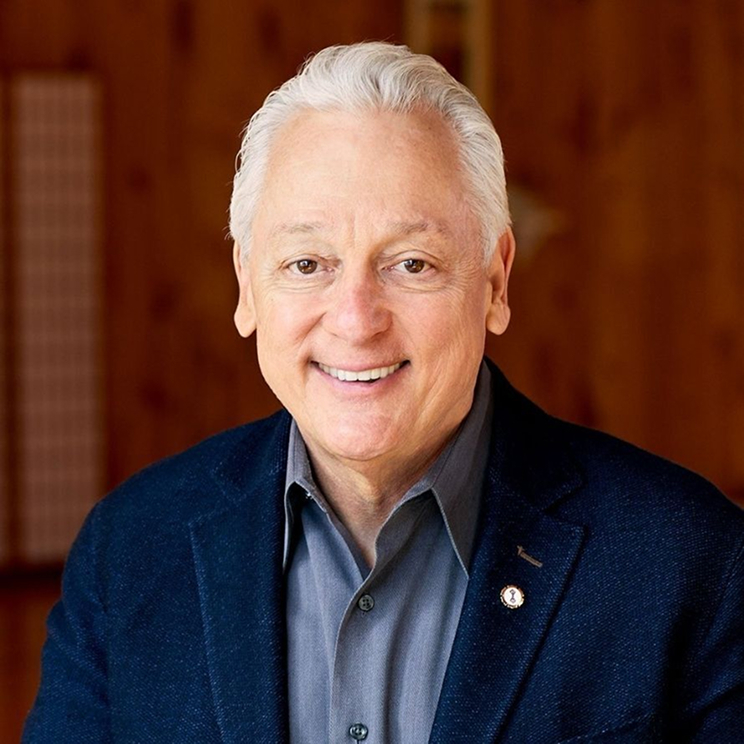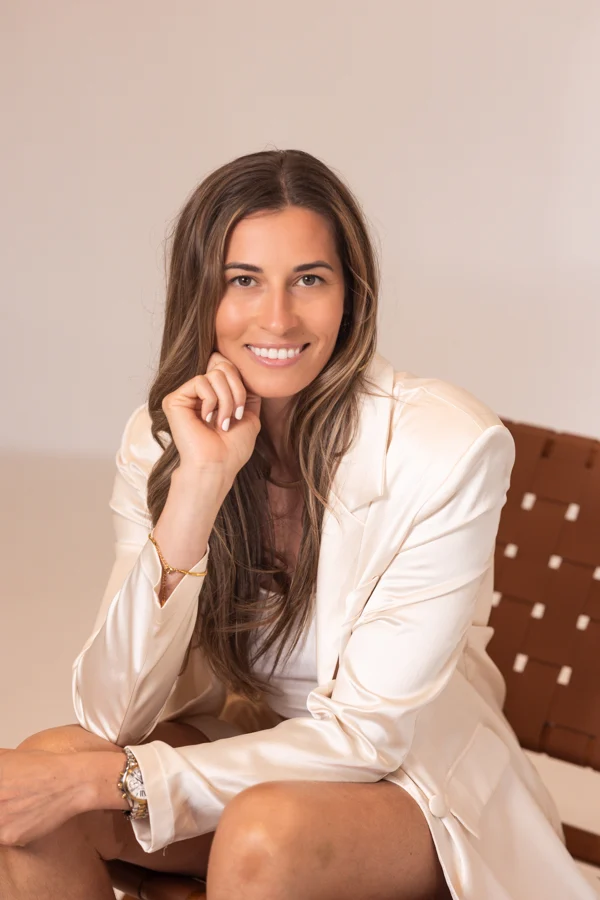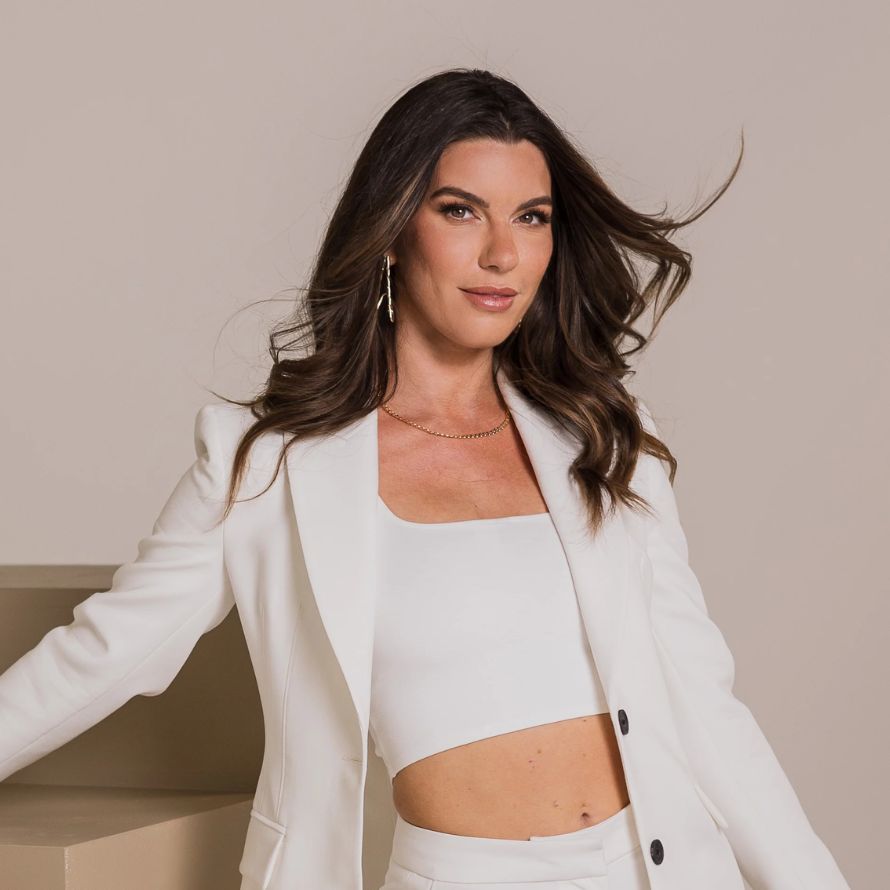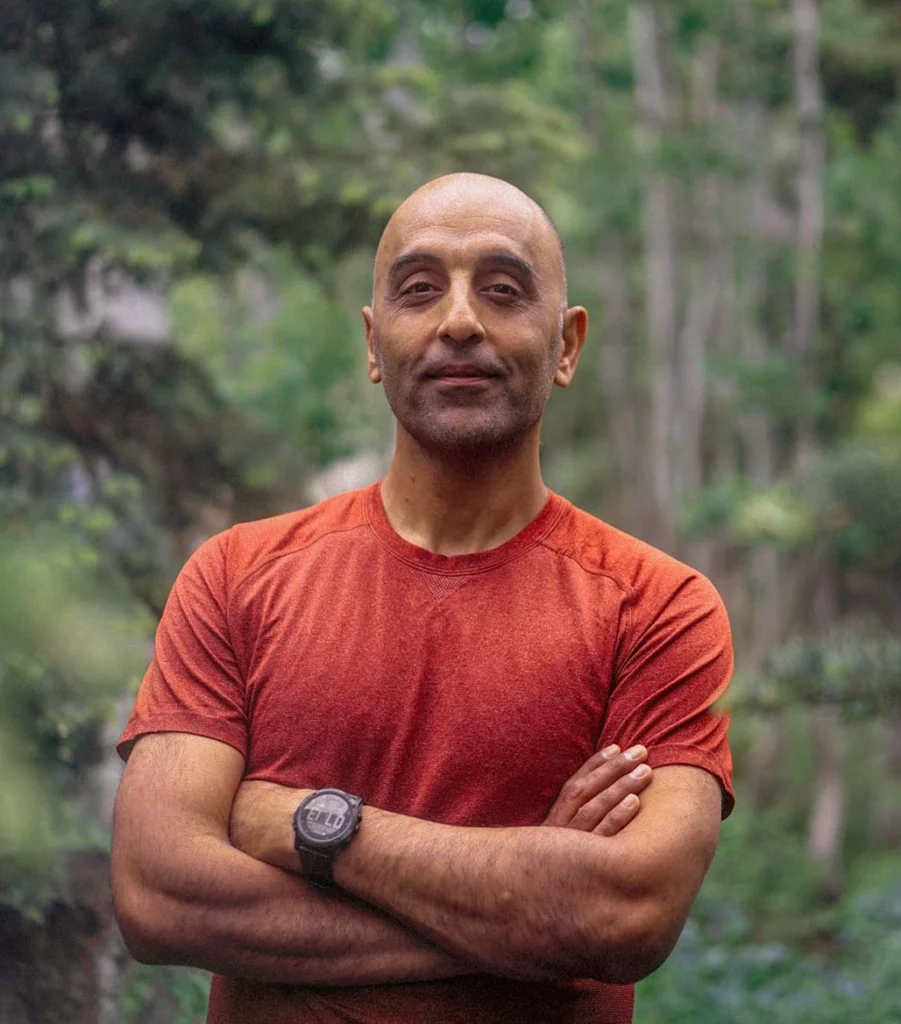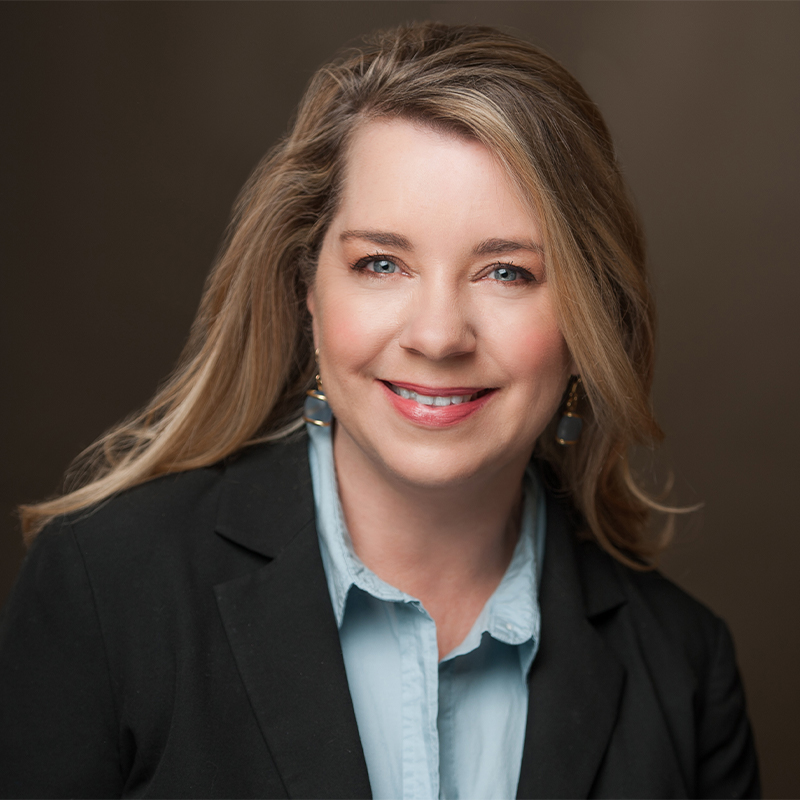


Cassandra Vieten, PhD, is a licensed clinical psychologist, Clinical Professor at UC San Diego, and one of the most established researchers working at the intersection of consciousness, wellbeing, and clinical science. She directs the Center for Mindfulness at UC San Diego’s Centers for Integrative Health, serves as Director of Research at the Arthur C. Clarke Center for Human Imagination, and is the clinical psychology director of UCSD’s Psychedelics and Health Research Initiative. She previously spent nearly two decades at the Institute of Noetic Sciences, including six years as its President.
As a guest faculty member for the Psychedelic Practitioner Certification, Cassandra brings a rare combination of scientific rigor and contemplative depth. Her work helps practitioners understand not only how psychedelics affect the brain, but how they shift meaning, purpose, worldview, and ways of being: the dimensions of transformation that matter most to the people we serve.
During an episode of The Psychedelic Podcast, Cassandra shares key research findings with Paul. They discuss imagination as “skill,” “medicine,” and an important element of psychedelic transformation.
Cassandra believes the field’s future depends on holding two things at once: the discipline of rigorous research and the humility to study what is hardest to measure, including joy, wonder, imagination, and lasting change in how people relate to themselves, each other, and the planet.
Drawing from decades of research on transformative experience, Cassandra is particularly interested in the role psychedelics can play in positive psychology, prosocial emotion and behavior, and imagination, creativity, and innovation.
In the reflections below, Cassandra shares her perspective on the future of the psychedelic field, the inner qualities practitioners most need to cultivate, and the question she keeps returning to: how do we balance discipline with surrender?
Questions with Cassandra Vieten
From your perspective, what feels most important for the psychedelic field to get right in the next 5–10 years?
Balancing drug development and neuroimaging with investigations into positive transformation, meaning, purpose, joy, wonder, and long-lasting changes in worldviews and ways of being.
Also working toward models in which psychedelic experiences are both medically administered and available for home use, similar to the way doulas and midwives support pregnancy and childbirth, as well as spiritual and shamanic use in safe contexts.
How do psychedelics intersect with your work, and what feels most misunderstood from where you sit?
The intersection of clinical practice and psychological and consciousness research with psychedelics is advancing both fields rapidly, and is tremendously exciting.
What is needed now is more appreciation for the role of psychedelics in positive psychology, prosocial emotions and behavior, and imagination, creativity, and innovation.
What do you think practitioners today most need to cultivate in themselves, not just learn intellectually, in order to work responsibly with these tools?
An ability to hold space, be authentic and genuine, witness with love, be curious, non-judgmental, open-minded, and willing to be present with and welcome all that arises.
That capacity comes from a little bit of knowledge, but a lot of personal development and practice.
Is there a principle, practice, or insight that has become central to how you approach healing and transformation? How did that understanding develop for you?
Shifting people’s perspectives so that they can see new possibilities that allow them to be kinder to themselves, others, and the planet is the driving force for me.
That understanding has developed through scholarship, research, spiritual exploration, mindfulness, and transformative experiential practice.
What’s a question you find yourself returning to again and again in your work right now? Why is it important to you?
How can we balance discipline with letting go, and hard work with surrender, and create the conditions under which we and others can thrive?
When you think about microdosing specifically, what do you see as its most responsible or promising role within the broader psychedelic ecosystem? Where does discernment matter most?
I’m not sure I consider myself an expert in microdosing, but I do think subtle biochemical and psychological changes can sometimes be more impactful than powerful, disruptive ones.
More research needs to be done, as far as I can tell.
What excites you about contributing to this training at this moment in time?
I’m happy to be involved in work that can advance psychedelic research and clinical practice, especially in ways that transform people’s lives for the better.
Cassandra Vieten’s role as a faculty member reflects the Psychedelic Coaching Institute’s commitment to grounding practitioner training in rigorous science without losing sight of what makes transformation meaningful. Through her work, Cassandra reminds us that the future of this field will be defined not only by clinical outcomes but by whether psychedelic experiences help people live with more kindness, imagination, and purpose.
Learn more about her work at cassandravieten.com, and look for her forthcoming book, Imagine That: Transform How You Think, Feel and Live with the Science of Imagination.