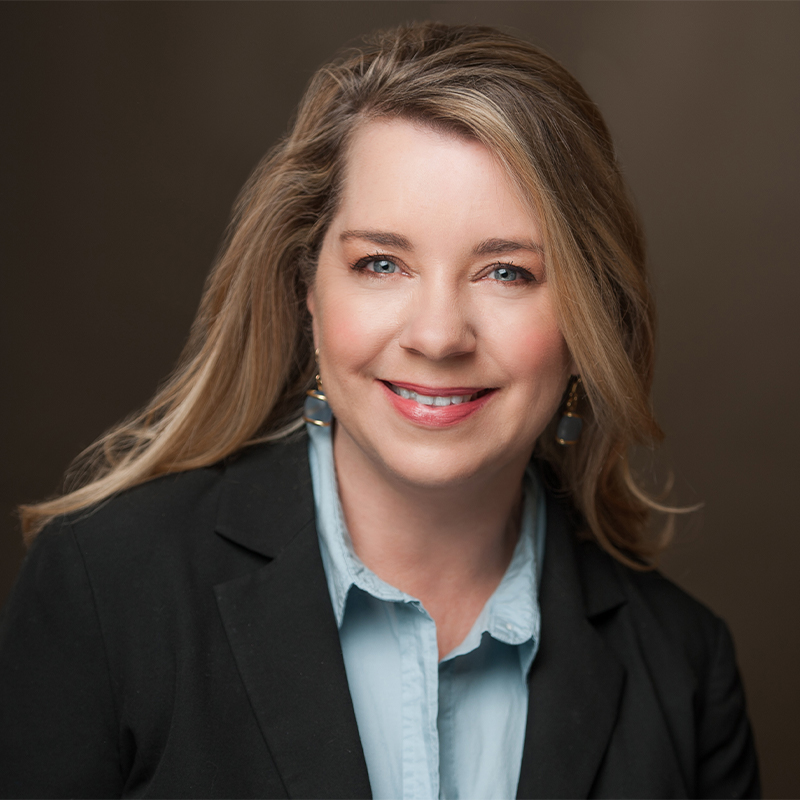


Ava Johanna is a breathwork educator, entrepreneur, and founder of The Academy of Breath and High Ticket Coach Academy. Her work sits at the intersection of nervous system regulation, transformational facilitation, and practitioner development, helping coaches and healers create meaningful impact while building sustainable businesses rooted in integrity.
As a guest faculty member for the Microdosing Practitioner Certification and the Psychedelic Practitioner Certification, Ava contributes her expertise in business development to teach students how to hold effective, ethical enrollment conversations and price their services. Her work helps practitioners bridge the gap between transformational experience and the practical realities of serving clients.
Ava believes that effective facilitation extends far beyond intellectual understanding. Whether working with breathwork, psychedelics, or transformational coaching, her approach centers on creating environments where people feel safe enough to explore, heal, and grow.
Drawing from years of experience training facilitators, Ava is particularly interested in the relationship between nervous system regulation, trauma awareness, and the quality of space holding. She sees these skills as essential foundations for responsible psychedelic work and believes they will become increasingly important as the field continues to expand.
In the reflections below, Ava shares her perspective on the future of the psychedelic field, the role of microdosing, and the importance of embodiment, simplicity, and safe space holding in transformational work.
Questions with Ava Johanna
From your perspective, what feels most important for the psychedelic field to get right in the next 5–10 years?
Safe space holding is the key for psychedelic practitioners to leave each client better than they found them. Understanding what microdosing is or how to administer a protocol is only the beginning. What matters just as much is understanding the nuances of the nervous system, trauma, somatics, and how to create an environment where people feel safe enough to open up and engage deeply in the process.
How do psychedelics intersect with your work, and what feels most misunderstood from where you sit?
As a breathwork teacher trainer and facilitator, I see many parallels between psychedelics and breathwork. Both can create profound shifts in awareness and open pathways for healing and transformation. Understanding how to intentionally combine these modalities can create powerful containers for growth.
At the same time, both have been heavily sensationalized. Psychedelics have been burdened by decades of stigma, while breathwork is often dismissed because breathing feels ordinary and familiar. As a result, many people underestimate just how transformative these tools can be when approached with skill and intention.
What do you think practitioners today most need to cultivate in themselves—not just learn intellectually—in order to work responsibly with these tools?
If you are not doing the work yourself, you are not equipped to do it with others. Your embodiment and devotion to your own journey must come first. Practitioners who view themselves as their most important client are far more capable of supporting others through meaningful healing and transformation.
Is there a principle, practice, or insight that has become central to how you approach healing and transformation? How did that understanding develop for you?
Healing is much like building a fire. Psychedelics can create powerful moments of awakening—the spark that gets the fire started. But lasting change comes from the kindling: the small, consistent actions and practices we return to every day.
The nervous system does not transform because of one extraordinary moment. It changes through repeated experiences, intentional behaviors, and daily devotion that gradually compound over time.
What’s a question you find yourself returning to again and again in your work right now? Why is it important to you?
How can I create more simplicity?
There are countless distractions competing for our attention every day. I continually return to the question of what is actually aligned with my deeper purpose and what is simply a side quest. Simplicity helps create clarity, and clarity helps us move toward what matters most.
When you think about microdosing specifically, what do you see as its most responsible or promising role within the broader psychedelic ecosystem? Where does discernment matter most?
Microdosing can serve as the kindling that supports ongoing nervous system change and behavioral transformation. It creates conditions that may support neuroplasticity, but it is important not to use it as a crutch for everyday life.
Discernment comes in continually returning to intention. Like any tool that can influence how we feel, microdosing can become something people rely on unconsciously. Responsible use means remembering why you are working with it and ensuring it remains in service of meaningful growth rather than simple comfort.
What excites you about contributing to this training at this moment in time?
I am excited to contribute expertise in areas that are often overlooked within practitioner training: business, strategy, and sales.
Many facilitators are deeply passionate about serving clients but struggle with the practical side of building a sustainable practice. In order to do meaningful work in the business, you first have to learn how to work on the business. I am excited to help demystify these topics and empower practitioners to become as confident in building their businesses as they are in holding transformational space.
What drew you to contribute to Psychedelic Coaching Institute’s training programs overall?
Integrity is my highest value when it comes to collaborations. The PCI team has consistently demonstrated a deep commitment to providing exceptional training, responsible education, and meaningful support for students entering this field.
Their dedication to helping practitioners become thoughtful, skilled, and ethical leaders is what made me excited to contribute.
Ava Johanna’s perspective reflects the Psychedelic Coaching Institute’s commitment to developing practitioners who prioritize ethical transformation alongside business savvy. Through her work, Ava emphasizes that meaningful healing requires more than knowledge alone; it demands self-awareness, nervous system attunement, and a commitment to ongoing practice.
As guest faculty for the Microdosing Practitioner Certification and the Psychedelic Practitioner Certification, Ava brings a unique blend of facilitation expertise, business strategy, and transformational leadership, helping practitioners build the skills needed to create lasting impact both for their clients and their own professional journeys.