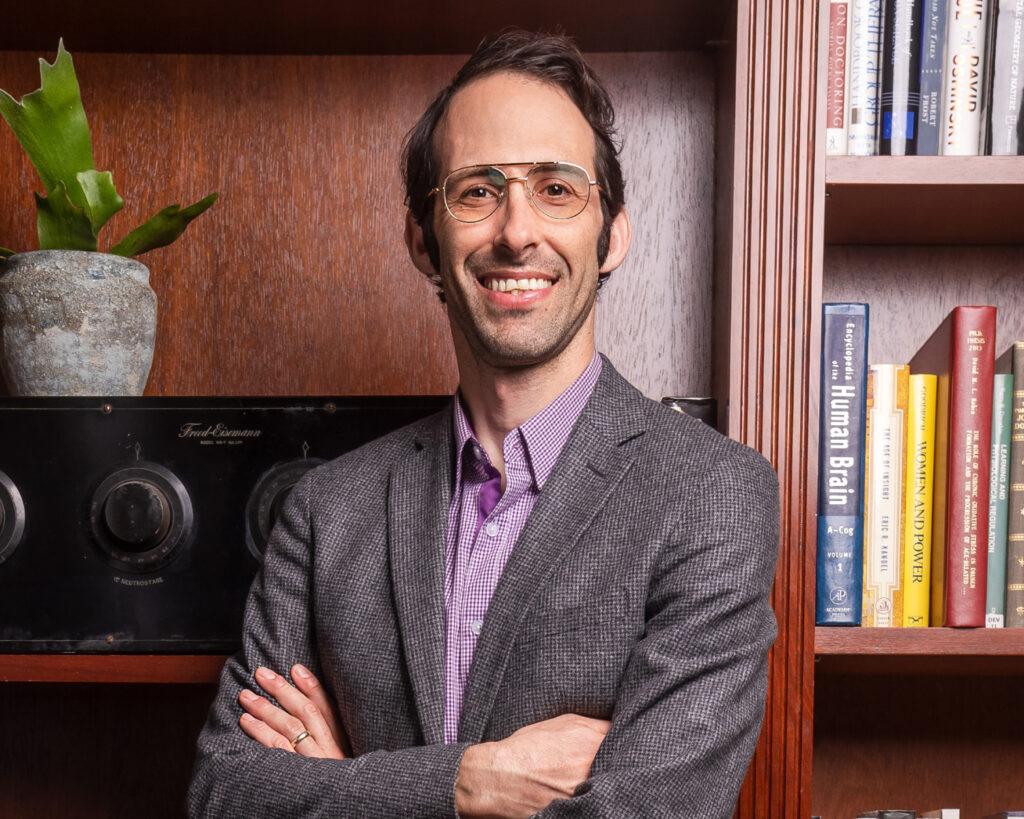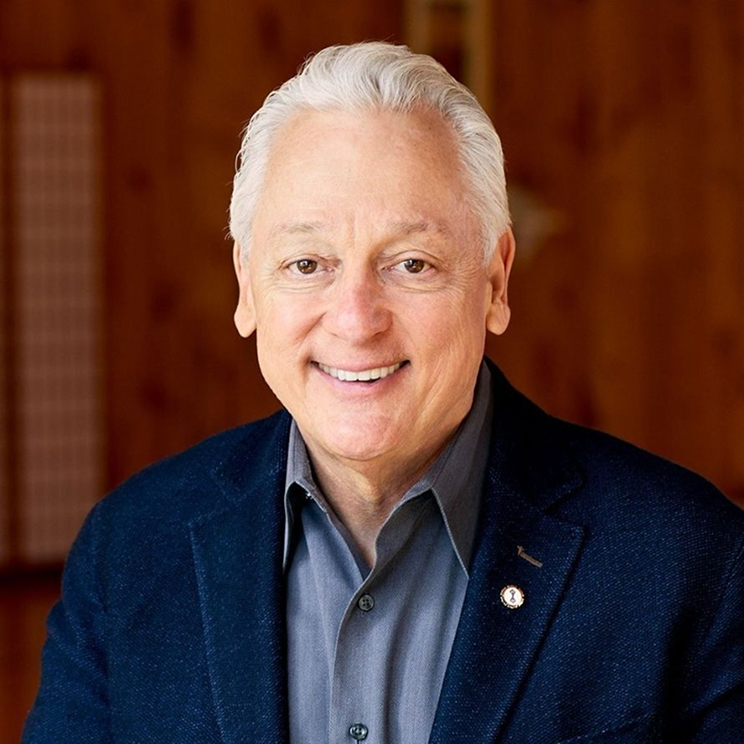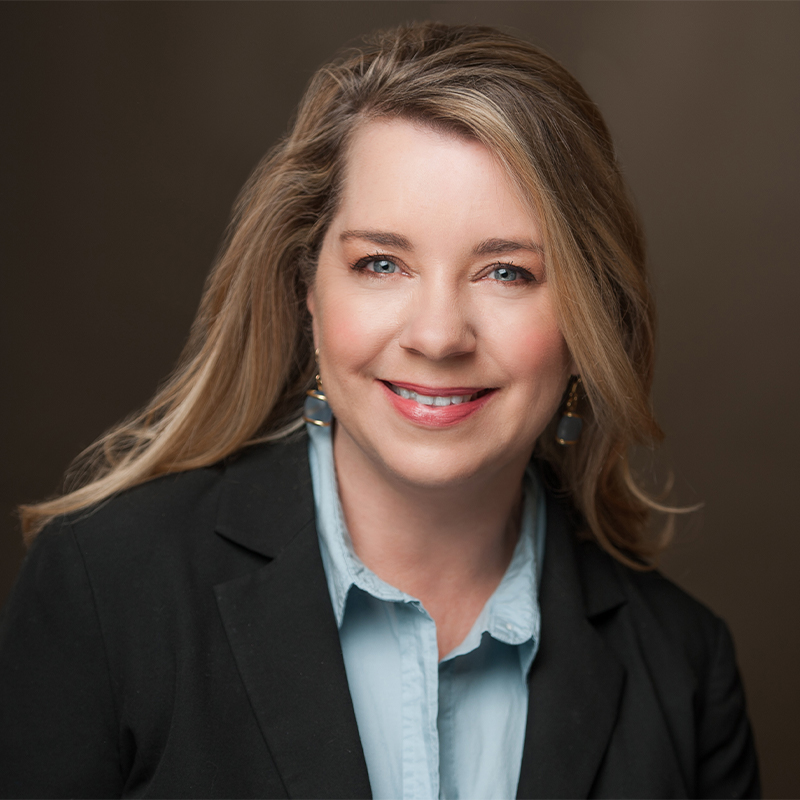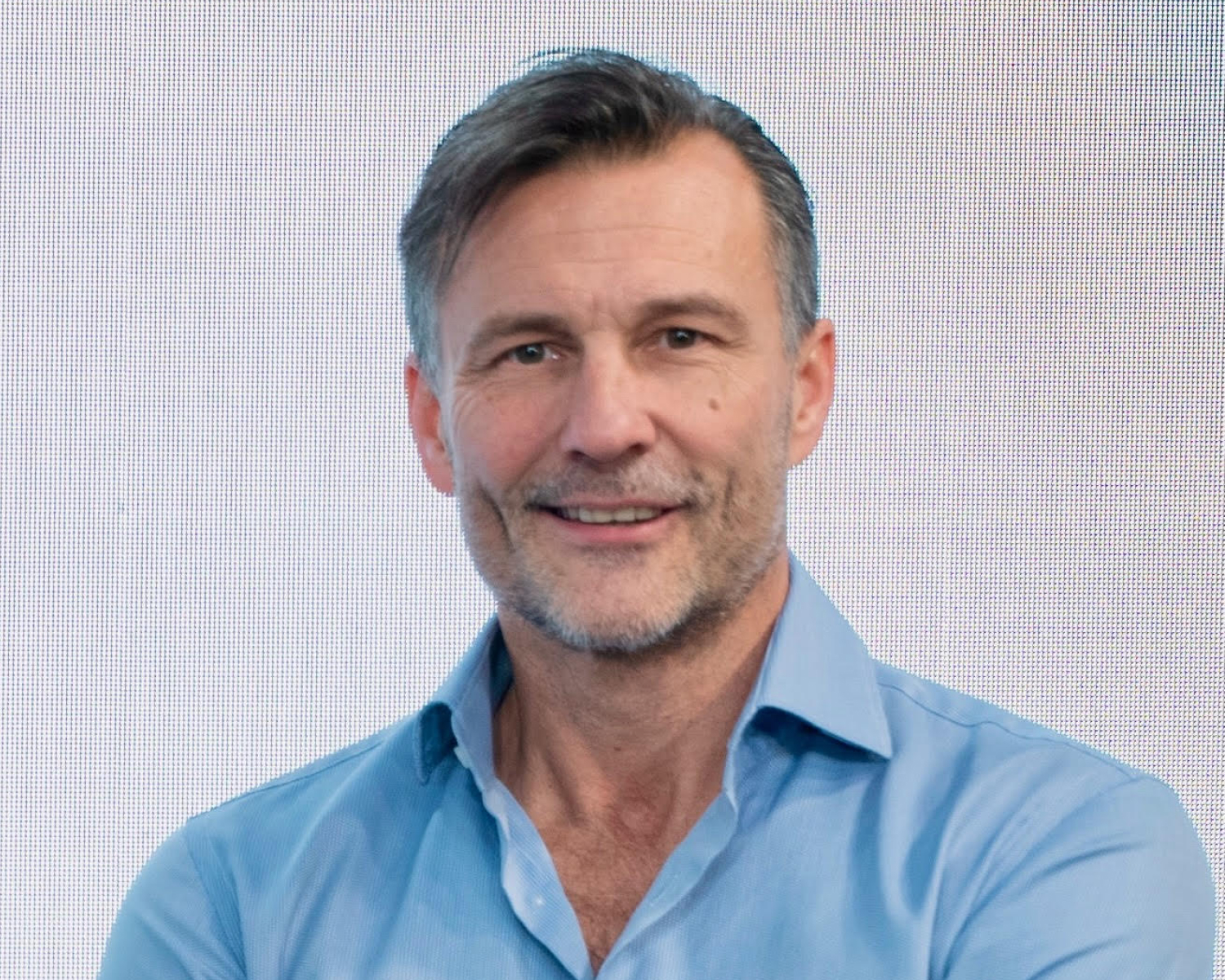


Jay Fiset is a psychedelic educator, advocate, and guide who has spent more than three decades helping people grow their businesses and their relationships. A best-selling author, global speaker, and executive business coach, he has run his own coaching company since 1991 and has worked with thousands of entrepreneurs. Jay and his wife, Cory Fiset, co-founded The Connection Experience, which supports couples in transforming themselves and their relationship with psychedelics as one of the pathways. Together, they also lead The Psychedelic Coach Accelerator, which trains guides and coaches to bring medicine work into their practices.
Jay is guest faculty for both the Microdosing Practitioner Certification and the Psychedelic Practitioner Certification. He will teach a live session, Creating Clients Through Powerful Conversations, for the upcoming cohort of the Microdosing Practitioner Certification, which begins on November 3, 2026. Students in the Psychedelic Practitioner Certification, whose next cohort begins on January 20, 2027, also learn from his recorded masterclass.
Jay’s own path into this work began at home, when he and Cory turned to MDMA to save their marriage. Today his focus is what he calls Functional Psychedelics: intentional protocols that help healthy people navigate the ordinary challenges of being human. In the reflections below, Jay shares why most relationships carry far more strain than couples realize, what practitioners owe their clients before a journey, and why neither macrodosing nor microdosing is complete on its own.
Questions with Jay
From your perspective, what feels most important for the psychedelic field to get right in the next 5–10 years?
My focus is what I call Functional Psychedelics: the creation of specific protocols and processes that help “healthy normals” cope with and navigate the regular human experience. I believe this lane has the greatest ability to impact humanity on a large scale, and to do it quickly.
This doesn’t take away from the leaps that therapy and treatment for mental illness have made. It is simply another lane, one that can lift the human experience.
How do psychedelics intersect with your work, and what feels most misunderstood from where you sit?
Our primary focus is couples and relationships. One of the most powerful discoveries in our work is that the vast majority of relationships are taxed, and taxed far more than the individuals realize when they begin their psychedelic evolution. That has far-reaching implications for the family unit, mental health, personal evolution, and sexual fulfillment.
What starts as a method to increase intimacy and connection consistently unfolds into each partner facing who they really are and what drew them together in the first place. Often, that turns out to be trauma bonds, old wounds, and a multitude of other experiences mislabeled as love.
What do you think practitioners today most need to cultivate in themselves, not just learn intellectually, in order to work responsibly with these tools?
Practitioners must, of course, walk their talk. That means doing their own work, leaning into their shadows, and becoming as whole as they can.
I also believe we need to communicate better with clients about potential adverse effects. In many cases, these effects aren’t really adverse at all, because they are the path to healing. Repressed trauma or memories may surface. A client may recognize that the life they built isn’t what they wanted and was simply a great place to hide.
We have been leaning into these conversations in much deeper and more comprehensive ways, and I believe it is having a powerful, positive impact on our work and our community.
Is there a principle, practice, or insight that has become central to how you approach healing and transformation? How did that understanding develop for you?
For the right couples, I believe the most significant healing in a relationship generally doesn’t come from couples therapy. It comes from moments when each person is seen, held, and witnessed as their true self by the person they love most, and offers that same witnessing in return.
Something happens in that space that talk therapy and outside interventions cannot create. I’m a big believer in therapy alongside these moments, but it is nowhere near as successful when partners haven’t yet felt fully seen, heard, and held by each other.
Heart-opening medicines like MDMA can help couples drop their defenses and experience each other through the eyes of the soul, rather than through the lens of pain, history, or ego. The key mechanism is mutual revelation: both partners being seen and seeing at the same time. I often describe it this way: two hearts, fully open, create a sacred mirror, and in that mirror, love remembers itself.
In that shared state, resentment can melt, compassion can arise where there was judgment, nervous systems can co-regulate, and new relational imprints can begin to replace old trauma loops. Spiritually, it is a return to union with each other and with the divine through the vehicle of the relationship. When held in a sacred and skillful container, psychedelics can accelerate that path.
What’s a question you find yourself returning to again and again in your work right now? Why is it important to you?
The question I keep returning to is integration: how do we live into the changes, insights, and openings that present themselves in a journey?
Within that question sit several others I’m exploring, including the non-linear nature of psychedelic healing, the role of somatics in releasing and processing what the mind cannot, and why making contact with our inner healer, even building a relationship with it, is vital for our evolution. The more I explore, the more I see that all of our healing and becoming comes down to variations of two things: alignment and capacity.
When you think about microdosing specifically, what do you see as its most responsible or promising role within the broader psychedelic ecosystem? Where does discernment matter most?
I have come to believe that macrodosing and microdosing are each incomplete strategies on their own.
Most people need macrodosing to move the big rocks. Microdosing supports refinement over time, helping people lean into the nuance and stay true to the messages and the work.
What excites you about contributing to this training at this moment in time?
I think I bring a unique view to expanding psychedelics to a broader audience, along with an entrepreneurial angle that allows practitioners to thrive and bring powerful, positive awareness and results to their clients and the world.
I love supporting people in this space to succeed.
Jay Fiset’s perspective reflects the Psychedelic Coaching Institute’s commitment to training practitioners who can hold deep transformation and build sustainable practices around it. Through his work, Jay reminds us that some of the most profound healing happens between people, in the moments when we finally let ourselves be seen by the ones we love.
If his reflections on couples work resonate, Love, Sex & Psychedelics, a fireside chat from The Connection Experience, answers the top 10 questions couples have when considering psychedelics to deepen connection and intimacy.
Learn more about Jay’s work at The Connection Experience, listen to his conversation with Paul on The Psychedelic Podcast: Functional Psychedelics: Rewiring Relationships & Business Growth, or join The Psychedelic Coach Accelerator, a live three-day online event for coaches, guides, therapists, and consultants running November 12–14, 2026.
Learn from Jay in the next cohort of the Microdosing Practitioner Certification, starting November 3, 2026.