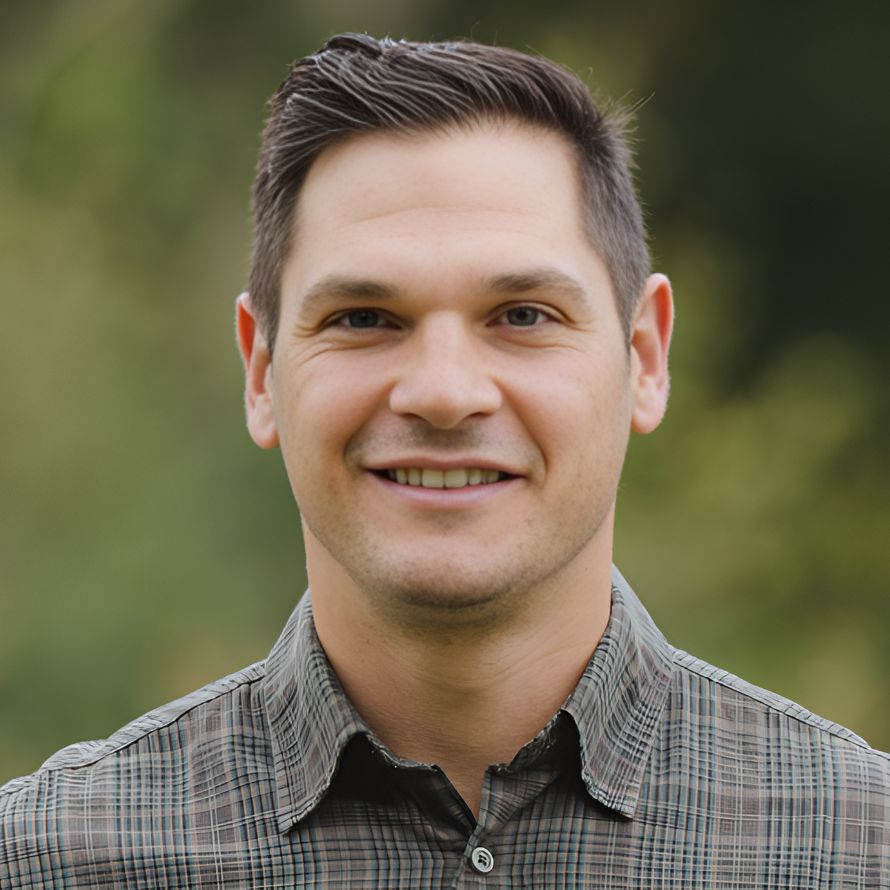

Daniel Carcillo is a former NHL player, two-time Stanley Cup Champion, and a leading advocate for psychedelic medicine. After confronting years of post-concussion syndrome and the limits of conventional treatment, Daniel’s personal healing journey with psilocybin reshaped his understanding of recovery, discipline, and long-term well-being. Today, his work sits at the intersection of brain health, recovery, and psychedelics. He focuses on concussion recovery, neurodegenerative disease, and helping high-performing individuals transition into healthier, more sustainable lives.
Daniel joins the Psychedelic Coaching Institute as guest faculty, contributing his lived experience and professional expertise to the Practitioner Certification Program and in-person Intensive. His presence reflects our commitment to bridging science, embodied experience, and responsible practice. He has shared his story and insights publicly on The Psychedelic Podcast, episode #289: Brain Injury & Psychedelic Medicine: An NHL Champion’s Mission, where he speaks candidly about healing, accountability, and the future of psychedelic care.
In the reflections below, Daniel shares how these experiences shape his perspective on practitioner responsibility, discipline beyond the journey, and what the field must prioritize as it continues to mature.
Questions with Daniel
From your perspective, what feels most important for the psychedelic field to get right in the next 5–10 years?
Pre- and post-data collection of the adult therapeutic treatments in Colorado and Oregon.
How do psychedelics intersect with your specific domain of work or inquiry? What feels most misunderstood or under-appreciated from where you sit?
Concussion recovery, brain health, neurodegenerative disease, healthy norms, optimizing high operators, and athlete transition. The aspect of using this medicine to improve people’s lives who are not sick is most misunderstood. Healthy normals deserve access as well, to help relieve stress, conquer self-limiting beliefs, and take advantage of the neuroplasticity and anti-inflammatory benefits.
What do you think practitioners today most need to cultivate in themselves—not just learn intellectually—in order to work responsibly with these tools?
They need to ensure they have their own experiences and relationships with these medicines in order to best serve their clients and/or patient population.
Is there a principle, practice, or insight that has become central to how you approach healing, growth, or transformation? How did that understanding develop for you?
The principle I continue to come back to is discipline. When the pink cloud fades months after the ceremony, what are the wellness practices that you are adhering to in order to live a healthy life? I come at recovery from a very athletic mindset, encouraging individuals to improve all aspects of their life post-journey. This includes finding your tribe or community that can help anchor and discipline you with the rigor needed for newfound thought patterns and behaviors to really take hold.
What’s a question you find yourself returning to again and again in your work right now? Why is it important to you?
How can I become the best version of myself and continue to grow in order to best serve my family, friends, and clients? This is a fundamental question for me because I believe that we get who we are in this world, as opposed to getting what I think I deserve.
When you think about microdosing specifically, what do you see as its most responsible or promising role within the broader psychedelic ecosystem? Where does discernment matter most?
I believe the role of microdosing can be used in many different fashions. I use low doses of psilocybin to help convert clients into a larger dose retreat, to gently help them get over stigma associated with mushrooms, to support them as a daily supplement on their wellness journey, and as a post-ceremony tool to help them remember the positive realizations from the experience and embed the lessons more deeply weeks, even months out. I believe the combination of low and high doses, at the right times, is an integral part of one’s spiritual journey.
What excites you about contributing to The Psychedelic Coaching Institute’s training programs at this moment in time?
Getting in front of practitioners who may be new to this medicine is exciting. Turning others on to being of service and helping guide their patient or client population to elevate their wellness journey is a special opportunity.
What drew you to contribute to Psychedelic Coaching Institute’s training programs overall?
Paul’s journey and messaging.
Daniel’s perspective is deeply woven into the Psychedelic Coaching Institute’s Practitioner Certification Program, a six-month training for coaches and practitioners committed to ethical, grounded, and real-world application of psychedelic work. Learn more about the program and upcoming cohorts.