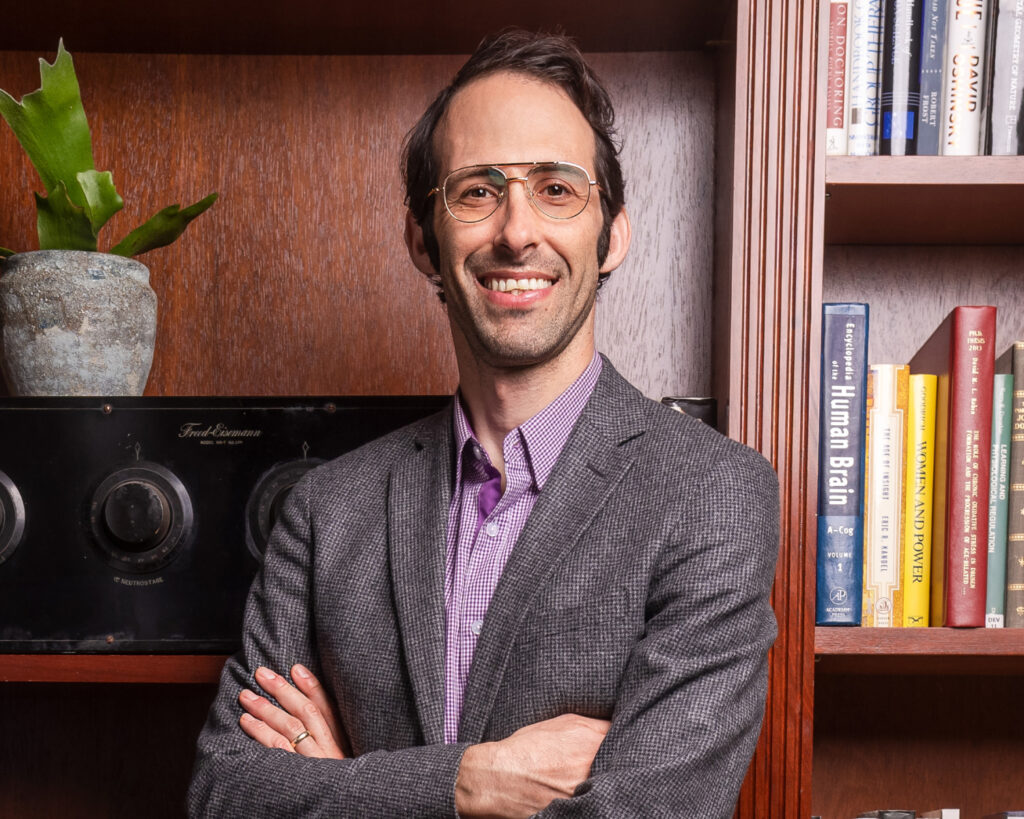


Here’s a piece of prescribing history most practitioners have never heard.
When serotonergic antidepressants were first introduced, a taper plan was part of the treatment. The medication stabilized the client, the client built skills during that stable period, and then prescriber and client worked the exit together. That was the design.
Somewhere along the way, the exit fell out of the picture.
As Dr. Rabin puts it in this clip, most people today end up on these medications for life with no taper plan at all, not because anyone decided that was best practice, but because teaching the transition off was quietly deprioritized across an entire generation of clinical training.
What makes this clip worth your minute is where Dr. Rabin points for proof.
You don’t have to take his word for it, he says. Look at the formal research protocols for psychedelic-assisted therapy. Look at traditional ceremony lineages that have carried this work for generations.
Two worlds that agree on almost nothing agree on this: before the deeper work begins, the client comes off the medication, carefully, with support.
Which raises the question that sits underneath this whole series. If the researchers require it, and the traditional lineages require it, who is actually trained to guide it?
Right now, almost nobody.
The prescribers weren’t taught it. The therapists weren’t taught it. The facilitators certainly weren’t. That gap is where your clients are standing, and it’s the gap this training was built to close.
Press play for the full 60 seconds in Dr. Rabin’s own words.
SRI Deprescribing & Psychedelic Readiness Certification
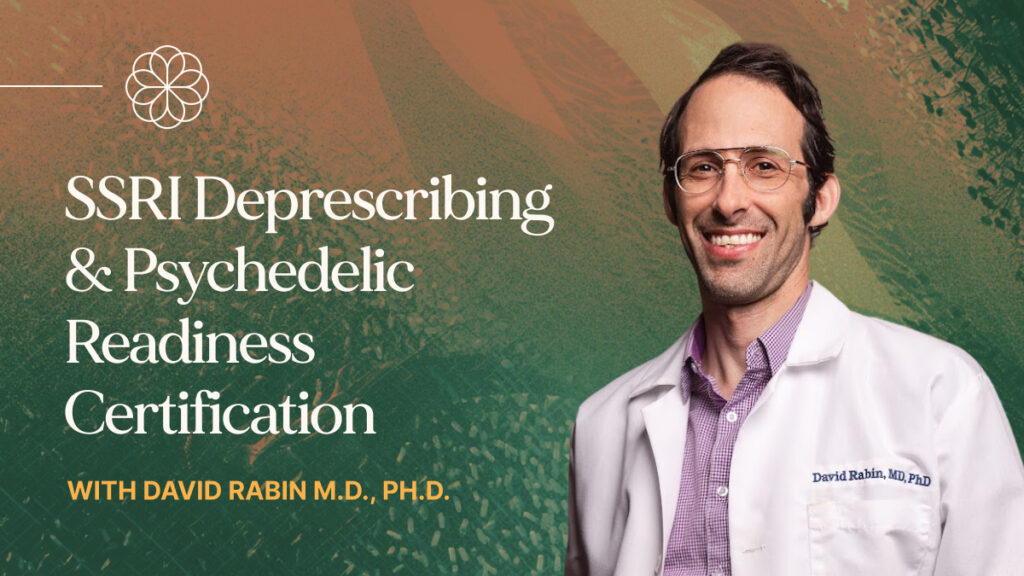
Learn the full protocol directly from Dr. Dave Rabin. Six live 90-minute sessions, six facilitated labs where you work real cases, and pre-publication access to his clinical deprescribing manual. Three months, starting October 7. 7.5 CE credits available for eligible clinicians.
SEE THE FULL CURRICULUM →
Next in this series: Why do these medications blunt joy along with pain? Dave draws the single diagram that explains nearly every side effect your clients describe, from apathy to numbness to “things just have less sparkle.”