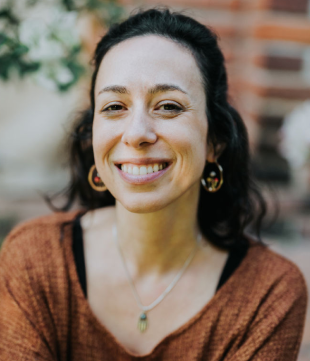

Erica Zelfand, ND is an integrative physician focused on root-cause medicine and whole-person healing. Through her clinical work, consultations, and educational initiatives, she supports individuals navigating complex health concerns while exploring thoughtful approaches to psychedelic therapy and integration.
Dr. Zelfand’s perspective on psychedelic medicine is shaped by both medical training and a deep respect for the long lineage of healing traditions that came before modern clinical research. Psychedelics, she notes, are not new discoveries but ancient medicines that humans have worked with for thousands of years in healing and spiritual contexts.
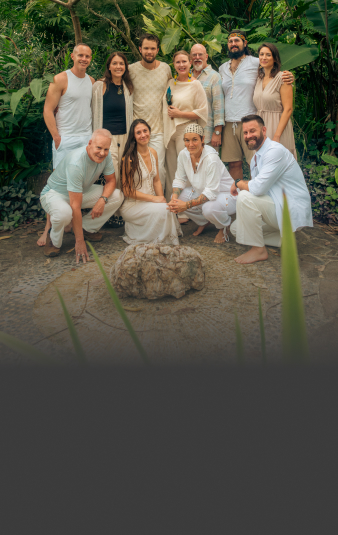
Today, her work sits at the intersection of integrative medicine, psychedelic education, and ethical practice. Through Right to Heal and Rise Up Journeys, she provides consultations, educational resources, and retreat experiences designed to help individuals approach healing with curiosity, humility, and responsibility.
Dr. Zelfand joins the Psychedelic Coaching Institute as guest faculty in both the Microdosing Practitioner Certification and the Practitioner Certification Program, contributing her clinical perspective to conversations about practitioner readiness, emotional regulation, and the broader ecosystem of psychedelic care. Her work highlights the importance of meeting clients with steadiness, compassion, and respect for the intelligence of the healing process itself.
In the reflections below, Erica shares her perspective on the future of psychedelic medicine, the emotional resilience practitioners must cultivate, and the role discernment plays when choosing therapeutic approaches such as microdosing.
Questions with Dr. Zelfand
From your perspective, what feels most important for the psychedelic field to get right in the next 5–10 years?
Psychedelics are not new breakthrough medicines. They are actually quite ancient.
We have evidence dating as far back as 5,000 BCE suggesting that psilocybin and other such medicines have been used by humans for healing and spiritual purposes.
In that sense, working with psychedelic medicine is something of a cosmic coming home to the original medicines.
How do psychedelics intersect with your specific domain of work or inquiry? What feels most misunderstood or under-appreciated from where you sit?
As an integrative physician, I focus on getting to the root cause of what ails my patients. I also focus on healing the whole person.
Psychedelics are not the only tool for helping, but they can be a kind of superhighway for helping people connect the dots between different parts of themselves and uncover the deeper sources of their challenges.
What do you think practitioners today most need to cultivate in themselves—not just learn intellectually—in order to work responsibly with these tools?
Comfort with a wide range of experiences, emotions, and expressions is essential.
If we tell our clients that all parts of them are welcome in the healing process, then we also need to remain regulated when we encounter the parts of our clients that they may repress or hide elsewhere.
This work does not come with trigger warnings.
Is there a principle, practice, or insight that has become central to how you approach healing, growth, or transformation? How did that understanding develop for you?
A principle I often return to is: “This is coming up now because it is ready to be healed.”
Healing is not linear, and what a client believes they need to work on may be quite different from what emerges during a psychedelic experience.
Understanding that our intellectual mind is only one part of the healing process allows us to approach this work with humility and flexibility. In many cases, the medicine and the person’s own inner healing intelligence guide the process.
What’s a question you find yourself returning to again and again in your work right now? Why is it important to you?
The question of legality continues to arise.
Realistically, legalization or regulated access pathways are the most practical route toward broader access for people who do not have the financial resources, connections, or opportunities to access these therapies today.
When you think about microdosing specifically, what do you see as its most responsible or promising role within the broader psychedelic ecosystem? Where does discernment matter most?
Healing is not one size fits all.
Facilitators need to check their zealotry and their egos, and instead discern when microdosing is actually a safe and appropriate therapy for a given client.
Like any tool, it can be very useful in the right context.
What excites you about contributing to Psychedelic Coaching Institute’s training programs at this moment in time?
I enjoy collaborating with Paul because I appreciate how he does his homework. He researches the topics he presents on and takes time to genuinely connect with the people he collaborates with.
Dr. Zelfand’s perspective reflects the Psychedelic Coaching Institute’s broader mission of supporting practitioners who approach psychedelic work with curiosity, humility, and ethical responsibility. As guest faculty in both the Microdosing Practitioner Certification and the Practitioner Certification Program, Dr. Zelfand contributes her clinical experience and emphasis on root cause healing to the training of practitioners learning to support others through complex healing journeys.