

Embodied Presence as the Foundation of Psychedelic Practice
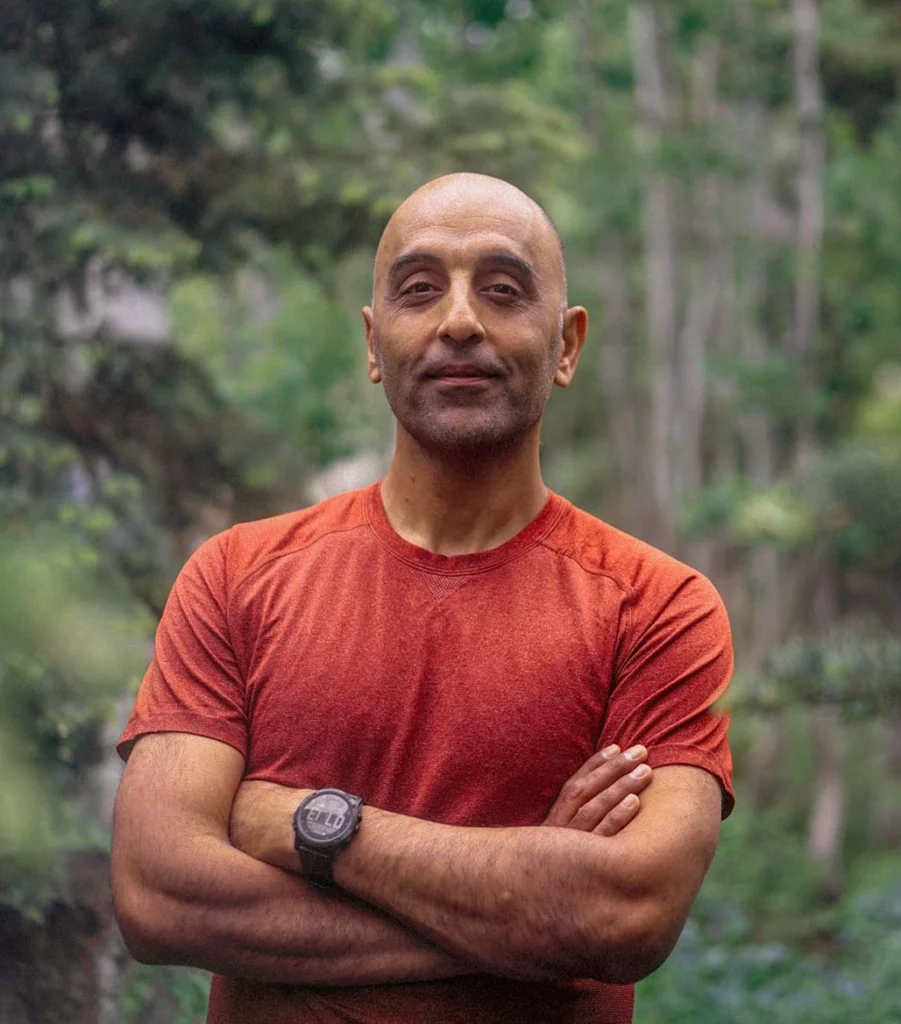
Fleet Maull, PhD is a meditation teacher, author, and longtime leader in contemplative practice, personal transformation, and social responsibility. Over decades of teaching meditation and guiding practitioners, he has developed an approach rooted in embodied awareness, relational presence, and the cultivation of deep inner stability.
As guest faculty with the Psychedelic Coaching Institute, Fleet brings this perspective into practitioner training, exploring how contemplative practice can strengthen preparation, integration, and the capacity to responsibly support transformational experiences. We spoke with Fleet about embodied presence, meditation, the future of the psychedelic field, and what practitioners most need to cultivate within themselves.
From your perspective, what feels most important for the psychedelic field to get right in the next five to ten years?
The economics and accessibility of psychedelic interventions will play an important role in the field’s future. At the same time, we must continue prioritizing thorough preparation and thoughtful integration. Supporting people before and after psychedelic experiences is just as important as the experience itself.
How do psychedelics intersect with your work, and what feels most underappreciated from where you sit?
Much of my work explores how meditation, relational process, and psychedelic experiences can complement one another. What I believe remains underappreciated is the transformative potential of supporting people through a continuous path of embodied awareness and self-understanding rather than viewing psychedelics as standalone interventions.
The same principle extends to microdosing. When paired with contemplative practices, meditation, and intentional self-inquiry, microdosing has the potential to become part of a much broader process of personal development.
What do practitioners most need to cultivate within themselves – not just learn intellectually – to work responsibly with these tools?
Above all, practitioners need to deepen their access to embodied presence.
Clients benefit most from the quality of presence their practitioner brings into the relationship. Compassionate, embodied awareness creates the conditions for people to feel genuinely safe, supported, and able to engage difficult experiences.
Knowledge and coaching competencies matter. But ultimately, it is our depth of being that communicates the greatest support.
Is there a principle that has become central to your approach to healing and transformation?
For me, the body is the vehicle for transformation.
Developing deep interoceptive awareness allows us to understand our own internal experience with increasing clarity while becoming more sensitive to relational dynamics with others. That awareness strengthens co-regulation, space holding, and authentic connection.
This understanding has emerged through decades of meditation practice and spiritual development.
What question do you find yourself returning to most often in your work today?
I continually ask myself:
How can I best support others by meeting them exactly where they are?
When people feel welcomed, accepted, and empowered, they naturally become more capable of taking their next step toward growth. That question feels especially important given the amount of dysregulation and suffering present in our communities today.
Where do you see the greatest promise – and the greatest need for discernment – when it comes to microdosing?
We still need significantly more research to better understand the efficacy of microdosing.
I’m particularly interested in understanding how microdosing can be integrated into holistic approaches to health, mental well-being, and personal development rather than being viewed in isolation.
What excites you about contributing to Psychedelic Coaching Institute?
Preparing practitioners feels like deeply meaningful work.
Any opportunity to contribute to the preparation, skillfulness, and depth of practitioners entering this field is valuable. I was also inspired by Paul Austin’s leadership and by the opportunity to help advance this movement in ways that can benefit many people.
Fleet’s perspective reflects an essential principle of the Psychedelic Coaching Institute: technical knowledge alone is not enough. Responsible psychedelic practitioners cultivate embodied presence, relational awareness, and contemplative depth alongside practical skills.
His teaching reminds us that meaningful preparation and integration begin with the practitioner themselves. The deeper our own capacity for presence, the more effectively we can support others through transformational experiences.
Learn more about the Psychedelic Practitioner Certification and explore upcoming training cohorts.