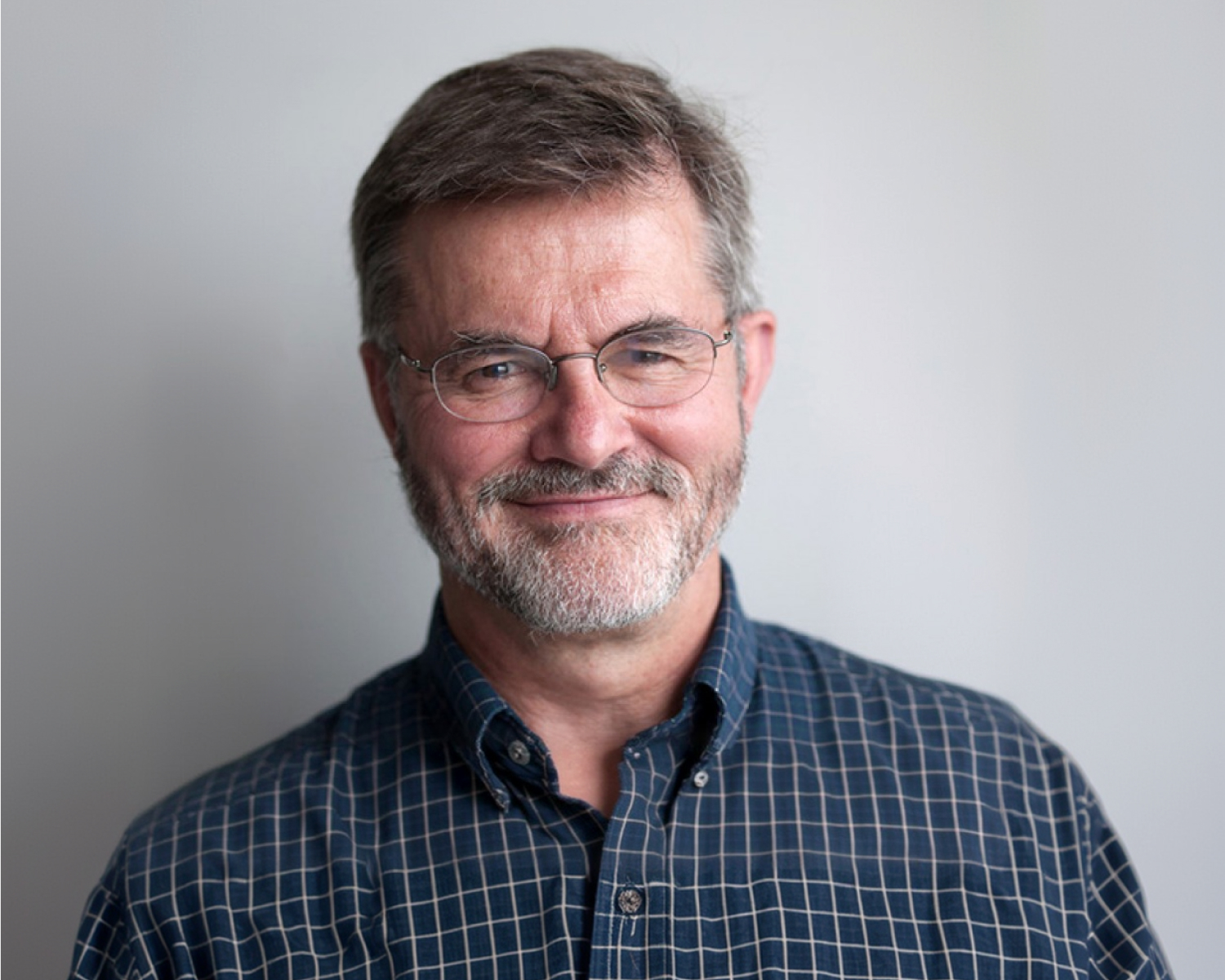


Robert Whitaker is a journalist and the President of the Mad in America Foundation. He is the author of Anatomy of an Epidemic and Psychiatry Under the Influence, and Mad in America regularly writes about psychiatric therapies, with a particular focus on new ones.
Robert comes to psychedelics through that lens.
He is not a practitioner or an advocate of psychedelic therapies, and he joined PCI as a guest speaker for the Deprescribing SSRIs & Psychedelic Readiness Certification.
Robert’s role in this community is to offer a note of caution. In the reflections below, he shares what he thinks the field needs to assess, what practitioners should cultivate, and a question about human struggle that he returns to often.
Questions with Robert
From your perspective, what feels most important for the psychedelic field to get right in the next 5–10 years?
To fully assess the risks–e.g. potential harms–along with the possible benefits.
How do psychedelics intersect with your work, and what feels most misunderstood from where you sit?
At Mad in America, we write about psychiatric therapies on a regular basis, and regularly with a heightened focus on new therapies. We write about psychedelics through that lens.
What do you think practitioners today most need to cultivate in themselves, not just learn intellectually, in order to work responsibly with these tools?
I think they need to cultivate a sense of caution, that psychedelics are potent agents, which can be experienced in very diverse ways, and with an understanding that the atmosphere in which they are taken can have a profound effect on their impact.
Is there a principle, practice, or insight that has become central to how you see healing and transformation?
I think that enduring “healing” or transformation happens within a larger context of “environment” — social connections, finding meaning in life, etc. Perhaps psychedelics can help a person interact, or see, their environment differently, and in a more appreciative way.
What’s a question you find yourself returning to again and again in your work right now? Why is it important to you?
I think we humans struggle with our minds, our emotions, and that struggle is just part of our makeup. The question that I return to often is how can we embrace a philosophy of being that recognizes that struggle, and doesn’t pathologize it.
What excites you about contributing to this training at this moment in time?
I am very much an outsider to this practice, and I hope that I can provide a note of caution to practitioners, so that they can provide informed consent about potential risks as well as benefits.
Robert’s perspective reflects the Psychedelic Coaching Institute’s commitment to honest risk conversations and informed consent. His work reminds us that a field serious about healing has to be equally serious about harm.
Learn more about Robert’s work at Mad in America or robertwhitakerbooks.com.
Hear from Robert as a guest expert in the Deprescribing SSRIs & Psychedelic Readiness Certification.


